
Introduction
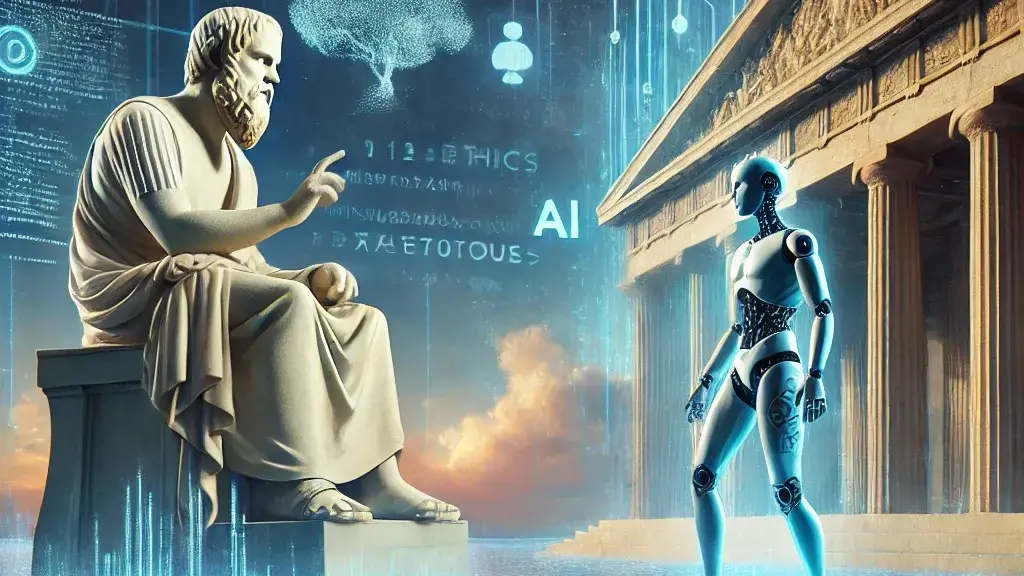
Artificial Intelligence (AI) challenges our deepest philosophical questions about mind, ethics, psychology, and neuroscience.
Researchers from top institutions like Stanford University – AI Research and MIT CSAIL are exploring how machines think, learn, and influence humanity.
1. What Is the Philosophy of Artificial Intelligence?
The philosophy of AI evaluates questions about meaning, understanding, and intelligence.
For deeper academic resources, see Google Scholar – AI Philosophy.
🔗 Internal link suggestion:
2. AI and the Nature of Intelligence
Debates such as John Searle’s Chinese Room Argument continue to shape AI theory:
(Reference: Stanford Encyclopedia of Philosophy – Chinese Room)
This helps developers and researchers design better learning models and understand the difference between simulation and true cognition.
🔗 Internal link suggestion:
3. AI and Consciousness: Can Machines Be Aware?
The question of machine consciousness brings together contributions from neuroscience, psychology, and philosophy.
For scientific references:
🔗 Internal link suggestion:
4. The Relationship Between AI and Psychology
AI is transforming psychology by helping researchers analyze behavior, predict mental patterns, and understand cognition.
For academic references:
🔗 Internal link suggestion:
5. The Ethics of Artificial Intelligence
AI ethics ensures technology remains fair, transparent, and responsible.
Useful authoritative references:
🔗 Internal link suggestion:
6. AI and Neuroscience: Understanding the Brain Through Machines
AI and neuroscience work together to explore how the brain processes information.
For scientific sources:
🔗 Internal link suggestion:
7. How AI Philosophy Helps Advance Science and Technology
Philosophical questions influence AI research at major institutions like DeepMind and OpenAI Research.
These discussions improve:
- Human–machine interaction
- AI creativity
- Machine learning architecture
- Future AGI design
🔗 Internal link suggestion:
Conclusion
The philosophy of AI bridges technology, mind science, ethics, and neuroscience, helping us understand the modern world and shape the future of intelligent systems.
For additional reading: